CDF of Canada – IAAM Project, MalawiUnlocking Women-Led Aquaculture Enterprises in Malawi
Through the IAAM programme, Sense led a gendered aquaculture value chain and enterprise analysis to identify how women can move from subsistence pond farming into viable, scalable aquaculture businesses—strengthening food security, incomes, and market access across Malawi.
What We Did
Results
Why It Matters
What We Did
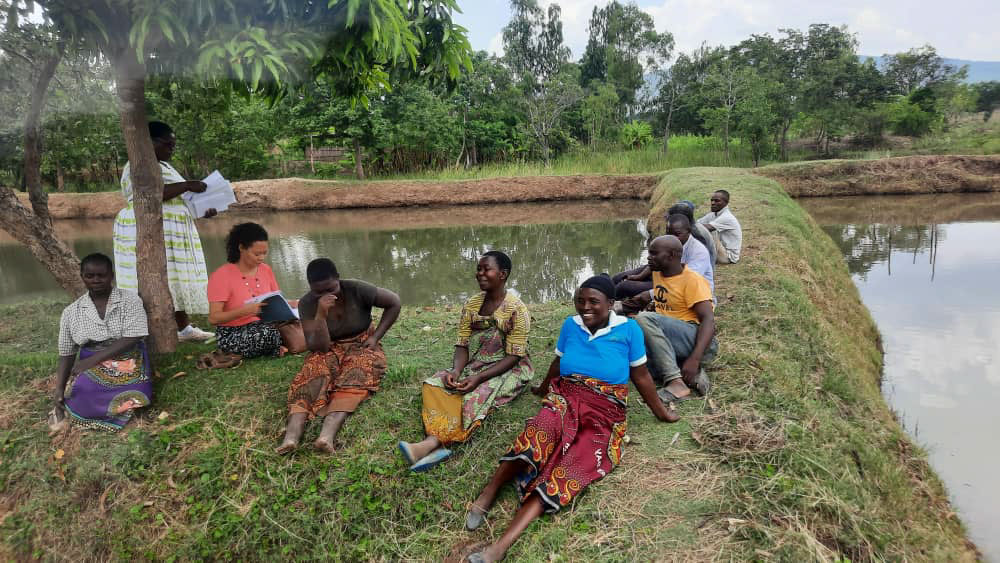
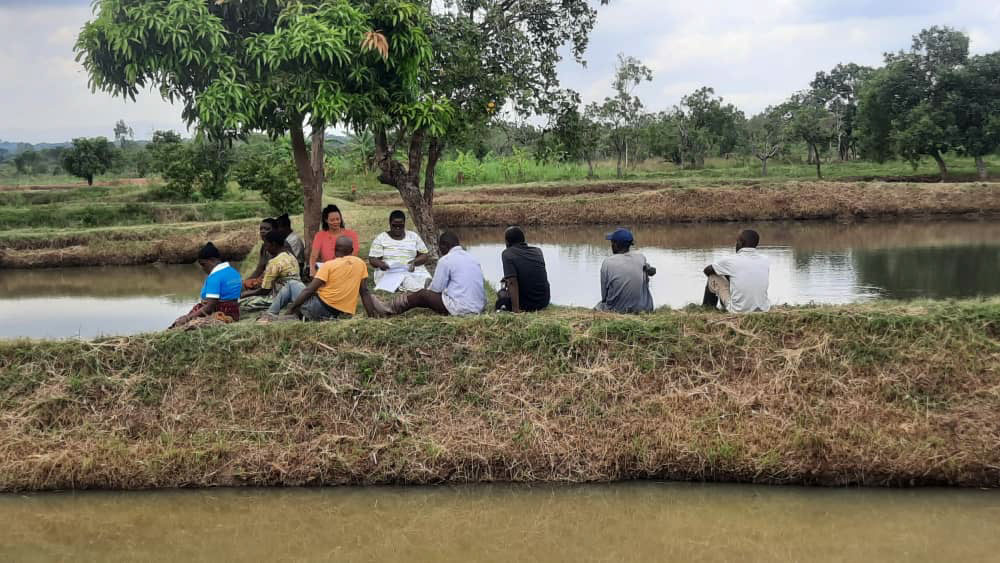
Conducted a gendered aquaculture value chain assessment across eight districts, combining field research, focus groups, and market analysis.
Applied enterprise and financial modelling to small-scale, commercial, and hatchery business models to identify viable upgrade pathways.
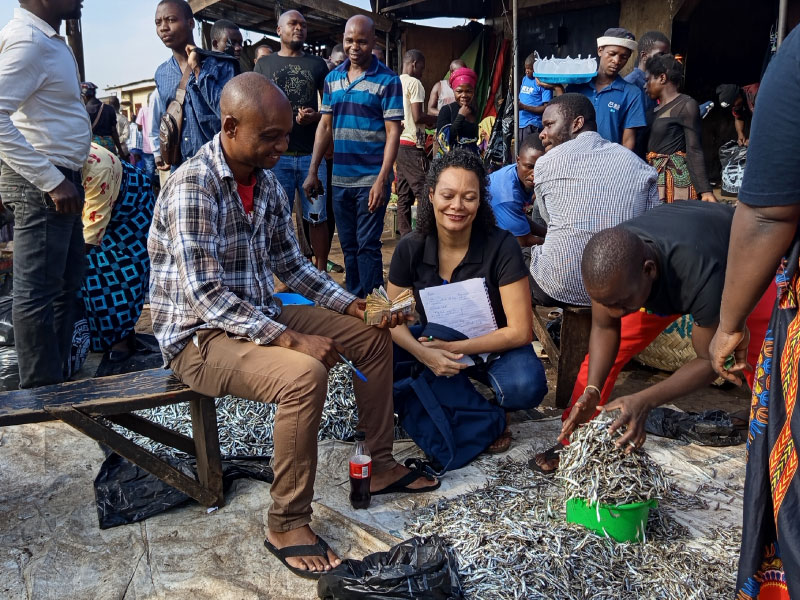
Analysed routes to market, pricing structures, and food safety requirements to understand where women are excluded from higher-value markets.
Identified practical, enterprise-level interventions—from feed and fingerling systems to aggregation, processing, and certification.
Results
161 stakeholders engaged, including women fish farmers, cooperatives, traders, processors, hatchery operators, and public institutions.
Clear, evidence-based business models developed for small-scale ponds, improved small-scale systems, commercial ponds, and hatcheries.
Identification of mortality rates, feed inefficiencies, and fingerling shortages as the biggest constraints to productivity and profitability.
A defined enterprise upgrade pathway for women—linking intensification, aggregation, grading, and market access to higher incomes.
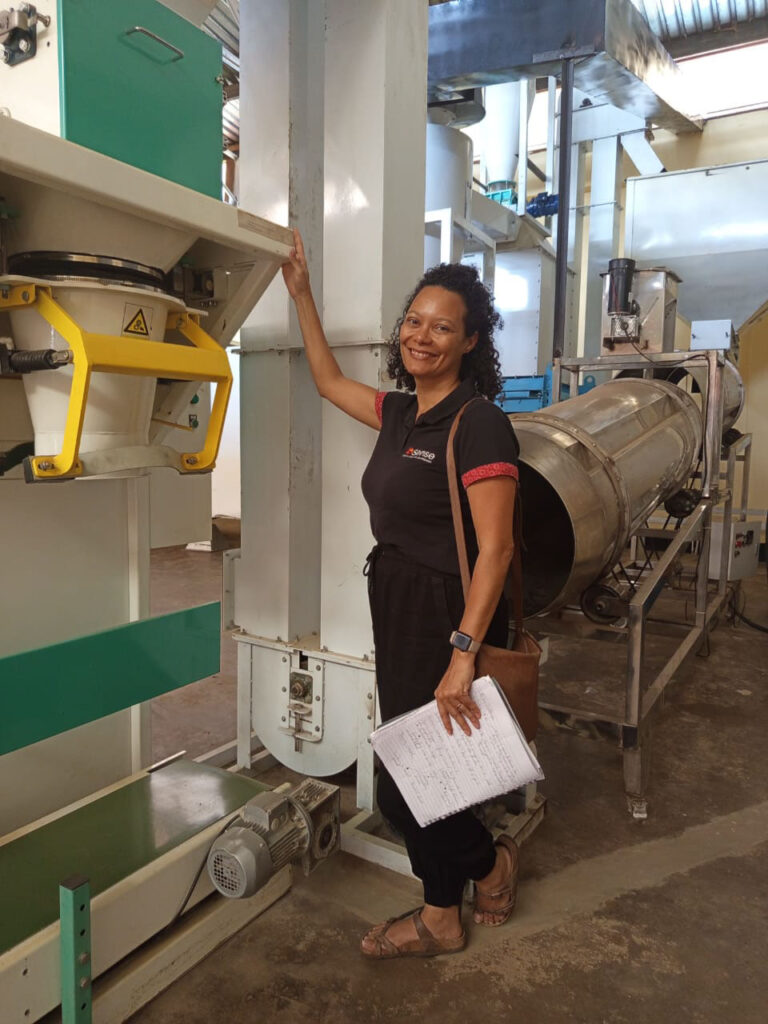
Concrete recommendations for women-led processing and value addition, including chilling, freezing, packaging, and MBS certification.
Why It Matters
Scaling agri-processing in Africa requires women-led enterprises that can produce consistently, meet market standards, and compete beyond local markets.
Aquaculture offers one of Malawi’s strongest opportunities to replace declining capture fisheries while creating jobs and affordable protein.
Sense’s enterprise-first approach shifts aquaculture from a subsistence activity into a commercial, inclusive value chain.
The analysis provides a blueprint for future enterprise support programmes, enabling women to move into higher-value markets, processing, and input supply at scale.
This website uses cookies and asks your personal data to enhance your browsing experience. We are committed to protecting your privacy and ensuring your data is handled in compliance with the General Data Protection Regulation (GDPR).